Malaysian Roti Canai by DK on Nov 12, 2009

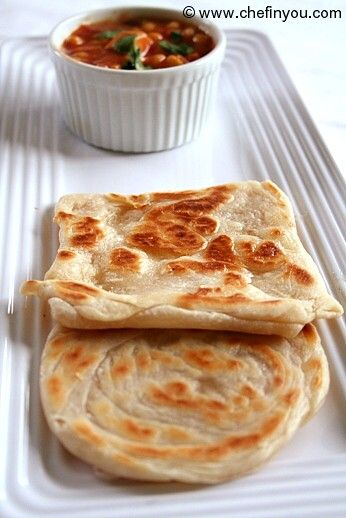
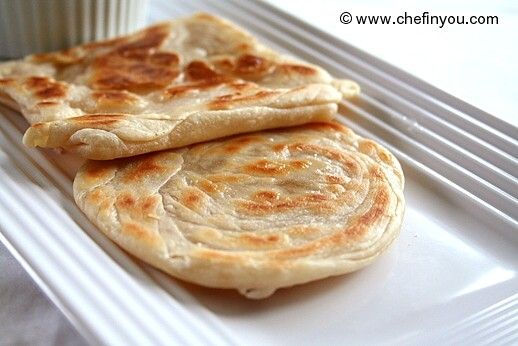 I am going to show 3 methods of making this Malaysian delicacy. The first method is what is usually followed by the professional vendors there. Complicated to the less acrobatic inclined. The second method is my way of making it easier for the home cooks - who either don't want to the twists and turns in the air ( who wants a dirty ceiling or floor?) or don't have the patience/time for the same. May seem more laborious than the air twists, but believe me, it saves really lot of time if you are starting out. The third method is very similar to making parottas. I think the traditional Malaysian flat bread are mostly square/rectangle shaped, but I also found versions which are round. Hence my third method is for making nice round/oval shapes.
 All of them make amazingly flaky flatbread and is delicious. But this is RICH and HEAVY dish thanks to the use of all that Ghee ( clarified butter). Butter may be used, but I would advise getting some traditional ghee for this dish. Its worth it and the taste is out of this world. Make any spicy side dish to go with canai. Many recipes use eggs in the dough, but I have made an eggless version. If you want, you can add an egg to this recipe and reduce the amount of water/ghee while making the dough.

- Cook time:
- Prep time:
- Serves: 3 people
- Yields: Makes around 10 medium sized rotis
- 1-1/2 cups ( 10oz or about 300 gms) all purpose flour
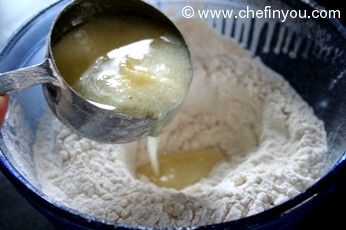
- 1/2 cup ghee (clarified butter)
- 1/2 cup water, give or take few tbsp.
- salt to taste
Method - for making the dough
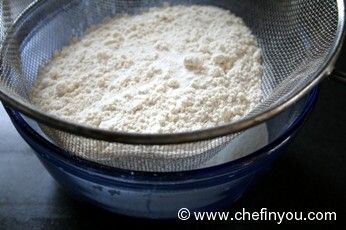
Sift the flour and salt into a medium bowl.

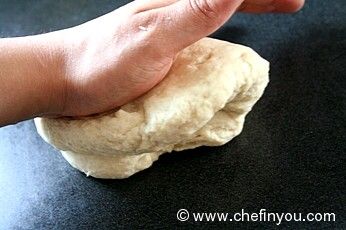
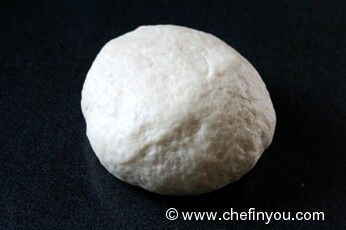
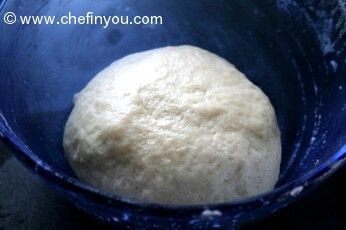
Method 1 - The Professional ( and traditional ) Method - Takes skill
Take a small ball of the dough.
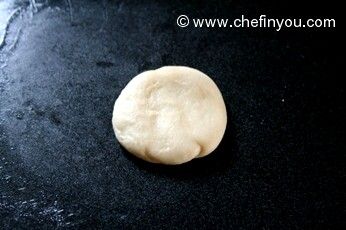

Now start doing as depicted in the video.Looks easy doesn't it? Oh well, looks can be deceiving sometimes. If you tried it and you found yourself cursing that man in there for misleading you, then Go to Method 2
Method 2 - Mostly Traditional Method - No skill set required
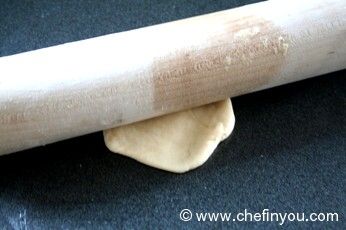
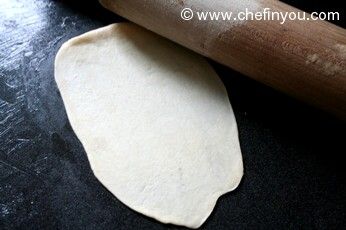
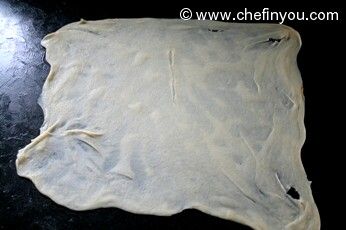
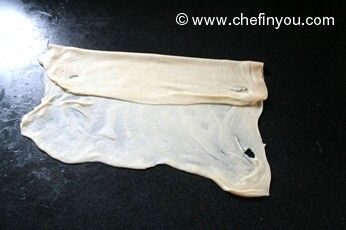
Take a small ball from the dough.

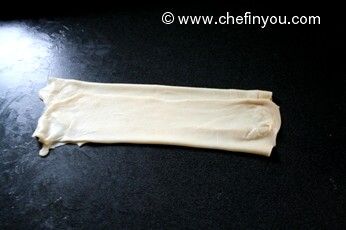

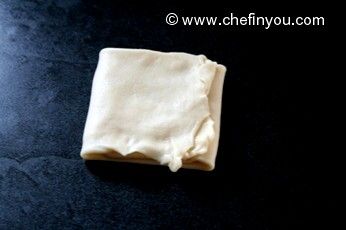
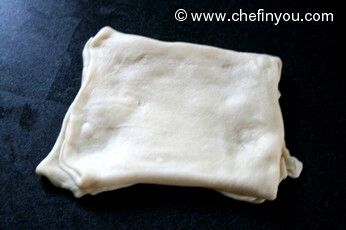
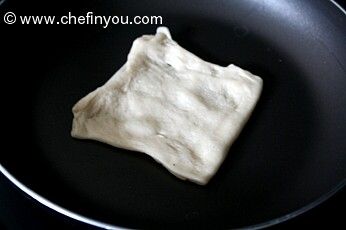

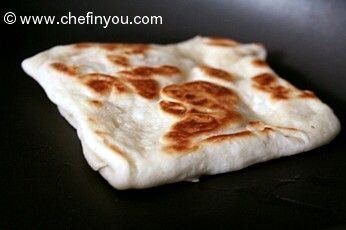
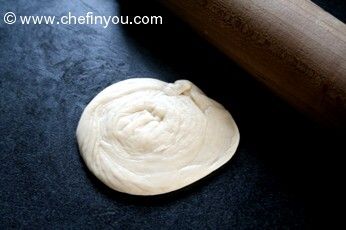
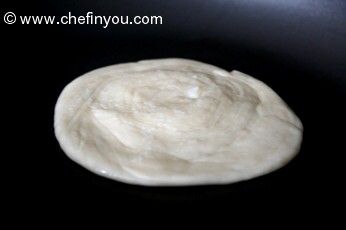
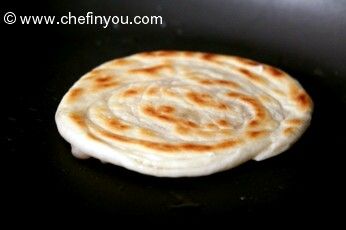
Method 3 - for making spirals/ round shapes.
The first 2-3 steps are the same. Take a small ball of dough and using a rolling pin roll it as much as you can until they are see through ( same as method 2)

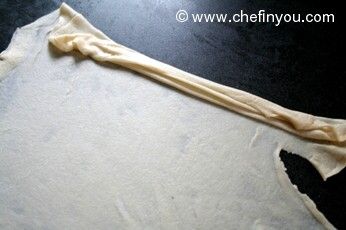
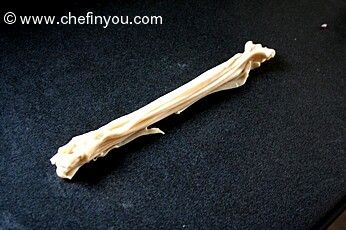


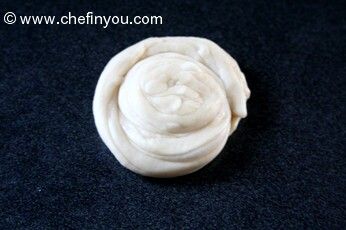
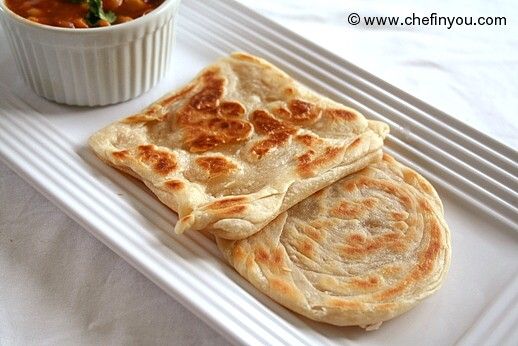 They go very well with any spicy gravy based dish.
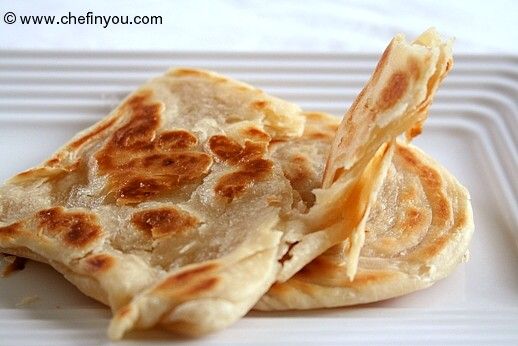 They are very flaky and soft.
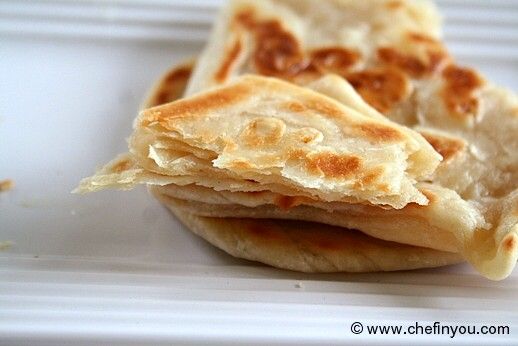
Filed Under these categories
- 287 Course
- 366 Cuisine
- 45 Flatbread
- 705 Kid Friendly
- 336 Main Course
- 1 Malaysian
- 1 Singaporean
Ideal Accompaniments

10 min OPOS Vegetable Kurma (Hotel Saravana Bhavan Style) By DK on Mar 7, 2017
Related Posts
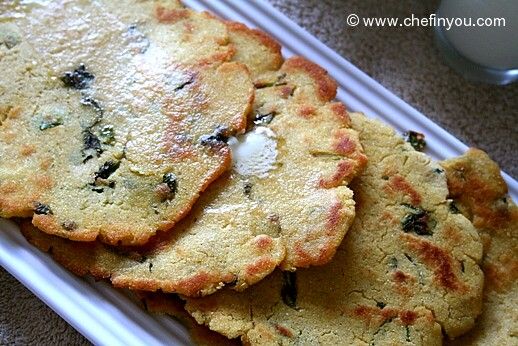
Makki Ki Roti By DK on Feb 20, 2010

Desi Ghee (Indian Clarified Butter) By DK on Sep 8, 2018
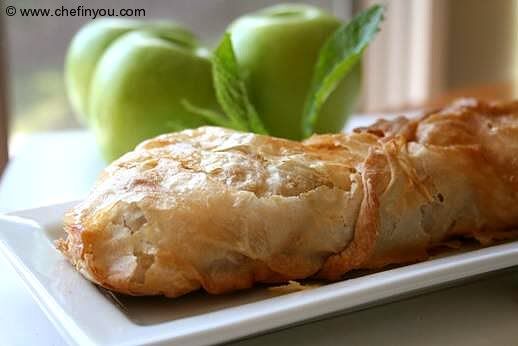
Traditional Apple Strudel By DK on May 27, 2009

Methi Roti (Fenugreek Flatbread) By DK on Mar 4, 2013
French Bread By DK on Jan 13, 2009
Rumali/Roomali Roti By DK on Nov 13, 2008
Leave a Reply
5 Member Reviews
By Ann on May 21, 2012
The Best recipe ever. Thank you very much. i cannot get the Roti Canai in Riyadh, so i have to make my self with my own curry. My husband LOVE IT!!! thank you 3x..
By Paul on Nov 19, 2011
Thanks for the recipe. i will try soon but i also heard that yeast must be added too and then for the dough to sit for a few hours. Please advise.
jackie chan
116 Comments
By Bijurajappan on Jul 28, 2019
By Allan Suter on Aug 28, 2017
By Tom on May 19, 2016
By Roti canai | Pearltrees on Mar 13, 2016
By Glenn Jones on Feb 9, 2016
By angie on Apr 27, 2015
By Saintelle on Feb 18, 2015
By How do I make my roti dough stretch thinner? | Question and Answer on Jan 25, 2015
By How do I make my roti dough stretch thinner? - The Simple Life on Jan 13, 2015
By Rhiannon on Oct 23, 2014
If you noticed, I have added only 1/4 cup ghee to the dough. The rest of for frying it. Will be more specific in the instructions. --DK
By Roti and how to…. | Muffin-mum on Oct 4, 2014
By Nicole on Sep 1, 2014
By Roti de Malasia | VolvemosEnUnRatito on Jul 8, 2014
By Feria de las Culturas Amigas, Malasia | Irie Move on Jun 1, 2014
By GeorgeS on May 20, 2014
By Mademoiselle Gourmande on Apr 28, 2014
By Malaysia F1 This Weekend – The Menu Plan | I Made It At Home on Mar 24, 2014
By Richard on Mar 13, 2014
By Fifty Two Plates » Malaysia Airlines Flight 370 on Mar 12, 2014
By Delicious recipes | Pearltrees on Jan 21, 2014
By Home made roti prata | A life so Siong on Nov 10, 2013
By dodo on Sep 25, 2013
By roti canai, a flaky flatbread from Malaysia | Albatz Gallery & Blog on Sep 18, 2013
By Curried Langostino And Egg Salad Wrapped In Roti Prata ( 印度煎饼 ) « ChefsOpinion on Sep 10, 2013
By Umbreen on Aug 14, 2013
By Tini on Aug 3, 2013
By Tini on Aug 3, 2013
By setiadi on Jul 10, 2013
By D. Turner on Jun 27, 2013
By Food & cooking | Pearltrees on Jun 18, 2013
By Malaisie / Cuisine du monde | A l'aventure ... on May 7, 2013
By Malaysian Roti Canai (Indian Flying Bread) | Welcome to Renee's Blog! on Feb 20, 2013
By b. madgwick on Jan 20, 2013
By b. madgwick on Jan 20, 2013
By claudia on Jan 8, 2013
By Philou on Nov 19, 2012
By prachi on Oct 9, 2012
By Малазийские традиционные лепёшки Роти Канай (Roti Canai) | Гармония человека и общества on Sep 4, 2012
By rara on Jul 27, 2012
By beth ramirez on Jun 5, 2012
By Robin on May 7, 2012
By elaine on May 3, 2012
By Leah on Apr 11, 2012
By bharathi on Feb 28, 2012
By Kalps on Feb 27, 2012
By Chrissie on Feb 25, 2012
By Chrissie on Feb 24, 2012
Unfortunately, I am hunting for a killer recipe myself. Will def. post it when I do find it :) --DK
By This In the Week of » Bangin’ Burmese Roti on Jan 27, 2012
By The Gotham Palate — Flavors that will make your taste buds dance – Review of Laut on Jan 17, 2012
By puja on Jan 11, 2012
By sondra on Jan 1, 2012
By Alex [Dinemates] on Dec 13, 2011
By Zohanthecspro on Dec 12, 2011
By vittoriobravo on Nov 16, 2011
By Adam on Nov 16, 2011
By sally collins on Oct 12, 2011
By gerry s malibiran on Aug 19, 2011
By Graeme Hill on Aug 7, 2011
By zman on Jun 8, 2011
By Wendy on Jun 2, 2011
By My Favourite Food « siabanming on May 11, 2011
By Solynn on May 10, 2011
By Lorong Mormon. « Singapore and Me on Apr 6, 2011
By ♥ Round up ~ The Roti | Bread Event ♥ on Mar 19, 2011
By Pritya on Mar 9, 2011
By Malaysian Roti « The Four Winds Garden on Feb 20, 2011
By Homer on Feb 6, 2011
By vittoriobravo on Jan 9, 2011
By jennifer on Nov 3, 2010
By Recipe For Riches | 7Wins.eu on Oct 30, 2010
By Sophie on Sep 29, 2010
I never use bleached flour in my cooking. You can use unbleached white flour or any all purpose flour that you might find. Using bread flour also gives amazing results
By Richard on Aug 30, 2010
you will need the remaining ghee to grease your hands/counter top and for cooking the pratas in the skillet. I should have mentioned that - will update the post :)
By Sana on Aug 18, 2010
In India, paratha is usually referred to a thick roti (stuffed or otherwise) excluding this one variety called Lachcha paratha which is similar to Parotta. Parotta is what this post is all about - it involves layers, spirals and flakiness due to richness. While this is made with all purpose flour(maida), the north indian version is made of wheat. But in general Paratha in India does not mean Parotta :)
By Runa Rahman on Aug 17, 2010
By Leah on Jul 27, 2010
By Brook on Jul 21, 2010
By Mimi on Jul 13, 2010
By Brooke on Jul 5, 2010
Pls refer to the explanation I provided for the previous comment. May be its applicable to yours too..
By yahya on Jul 2, 2010
The only reason I can think is the "sitting" time for the dough. A good kneading of the dough is essential for the gluten to start working and letting it sit helps the all purpose flour to develop that beautiful elasticity needed for the dough. Do try kneading it well until the dough is soft and feels elastic. Then let it sit for few hours. Sometimes, letting it sit overnight also helps to develop that texture (I think overnight sitting is dependent on the kind of climate u enjoy - do it only if the above tip doesnt seem to work) Hope this helps :)
By RobbD on Jun 11, 2010
By michelle on May 5, 2010
By Lulu on May 1, 2010
By Dominick on Apr 28, 2010
Thank you so much Dom. Glad to be of help always :) --DK
By Erwin Dillard on Apr 21, 2010
By Cynthia on Apr 3, 2010
By Charliee on Mar 24, 2010
Yes, I have already mentioned it in the post, it helps if you grease the counter top to prevent it from getting too sticky. Ghee is the best! :) --DK
By Adelina on Feb 23, 2010
By anything indian on Feb 22, 2010
By Farn Fee Leng on Jan 10, 2010
By Apu on Dec 2, 2009
By deepti on Nov 20, 2009
Hi Deepti, thanks for such wonderful words :). From what a my FB page reader from Malaysia informed me, its more Indian influence than Vice versa...so I am guessing it went from India to Malaysia... You can refer to that thread under "Malaysian Canai" here in this link for more info http://www.facebook.com/ChefInYou --DK
By PALATABLE on Nov 19, 2009
Hi Palatable, yes I saw those versions too. But then I saw this also :) Dint know which was THE authentic one,so chose the one which sounded 'palatable' enough for us ;)
By Aisha on Nov 18, 2009
By Adelina on Nov 17, 2009
Hi Adelina, thank you so much for your comment :) Making roti's at home are extremely satisfying, do try when you get time :) -- DK
By Memoria on Nov 17, 2009
These are more flaky and richer than Naan. Naan are mostly soft and bready in texture :) -- DK
By Divya on Jan 13, 2021