How to make Ricotta Cheese by DK on Jan 30, 2012

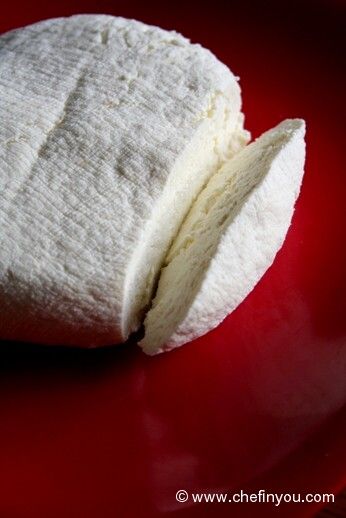
Note: Traditional Ricotta Cheese is made using leftover whey from making other cheeses, that use a coagulant like microbial, vegetable or animal rennet (example: Cottage Cheese, Mozzarella etc). Given that for being a vegetarian, making traditional ricotta is out of bounds since 99% of other traditional cheeses are made with animal rennet, I opt for making Whole Milk Ricotta Cheese; In which case it becomes virtually similar to the Indian Cheese - Paneer. You can make Paneer the same way as this (in which case,the salt is not required, but can be added along with spices for interesting variations). Also note that the leftover whey that you get from making Paneer cannot be used to make Ricotta, since it also uses Vinegar/lime juice.
- Cook time:
- Prep time:
- Serves: 3 people
- Yields: Makes 3-1/2 cups
- 2 quarts (1.89 liters) organic Whole Milk,
- 1 cup organic Heavy Cream,
- 3 tbsp white Vinegar
- 1/2 tsp salt
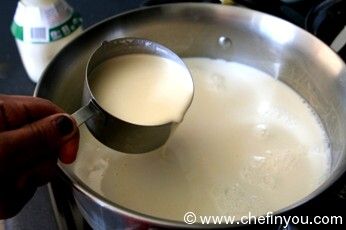
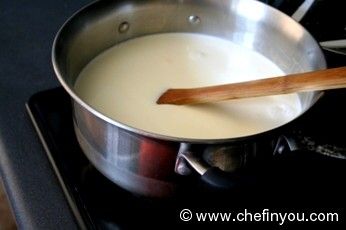
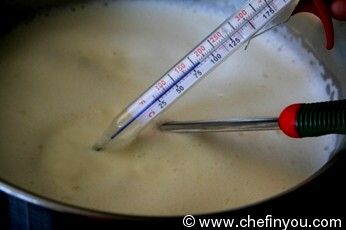
Update: I was under the assumption that the specific heat was due to the addition of Heavy cream. But turns out that you don't even need this much temperature (leave alone boiling the milk). Here is a good explanation from Serious Eats about the temperatures.
Most ricotta recipes call for heating the milk to 180°F, the temperature at which it starts to simmer. But is it really necessary to heat it that high? I tried heating pots of milk to various temperatures (every five degrees between 150°F and 190°F) before adding vinegar as a coagulant and observing the results. Guess what? Between 165°F and 185°F or so, there was no real noticeable differences in the amount of curd produced, nor the texture of the curd. So where does this particular piece of culinary you-wishdom come from? My first instinct is that it's a carry-over and misapplication from the days when custards were made with un-pasteurized milk. Back then, milk had to be heated to 180°F in order to deactivate certain enzymes that can prevent a custard from setting. These days, milk is pretty much always pasteurized (heated before packaging) so this step is unnecessary. But wait a minute! Pasteurized milk is only raised to 161°F and works perfectly well in custards. So that whole 180°F for custards rule must also be a myth. My best guess as to why many recipes arbitrarily pick 180°F? It's the point at which milk starts simmering: an easy temperature to gauge even without a thermometer. But seeing as we've all got one (you do all have an instant read thermometer, right?) We'll stick with the 165 to 185°F range, instead of aiming for that perfect 180°F.
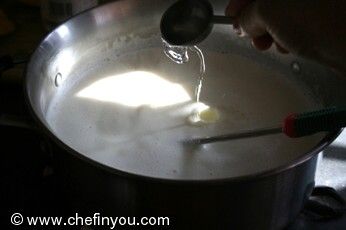
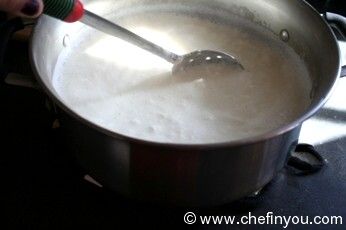
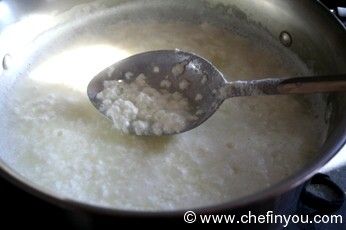


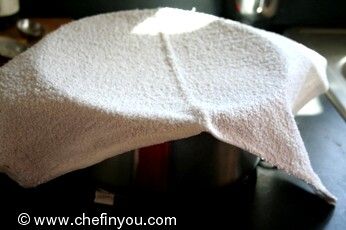
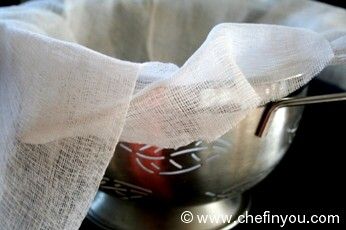
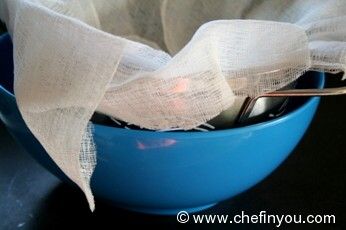
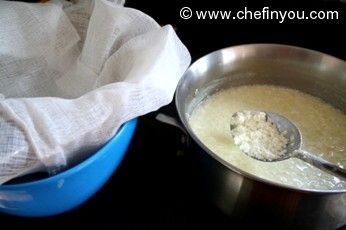
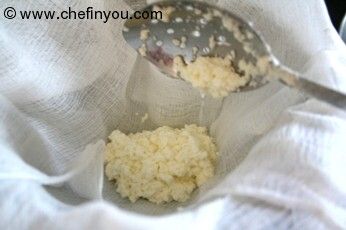
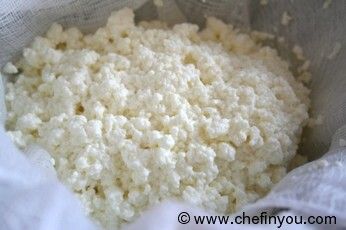
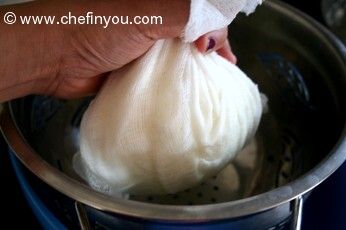

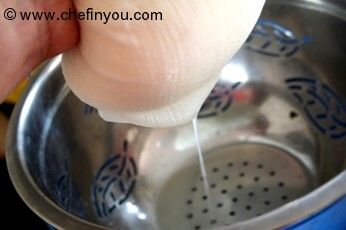
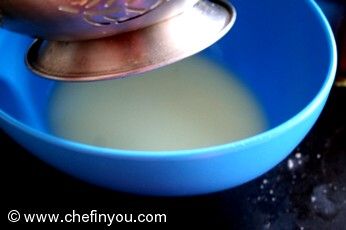
Now use this Ricotta for your recipes. The site mentions that the cheese keeps well for 4 days refrigerated.
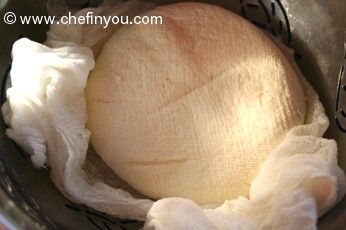
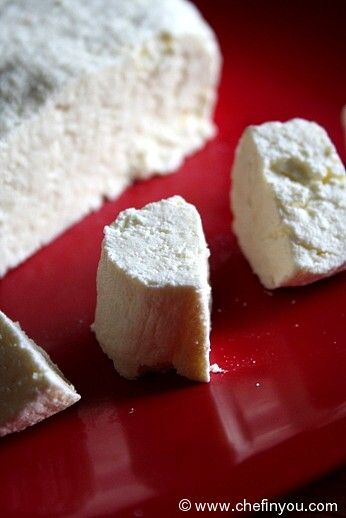 The site suggests that it keeps well for 4 days packed in an airtight container. But another friend told me that hers lasted for 12 days when she made using this recipe. I think simply use your judgement and good sense of smell to decide how long your cheese keeps well for. For something so ridiculously easy to make, this tastes like a million bucks!
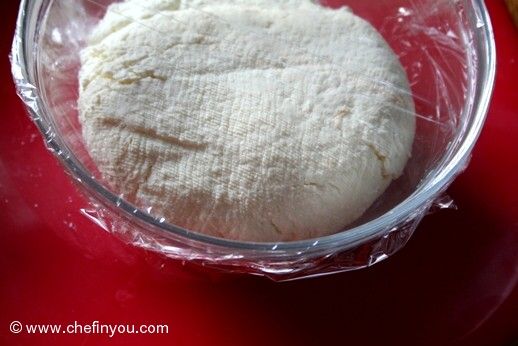
Recipe Reference
Related Posts
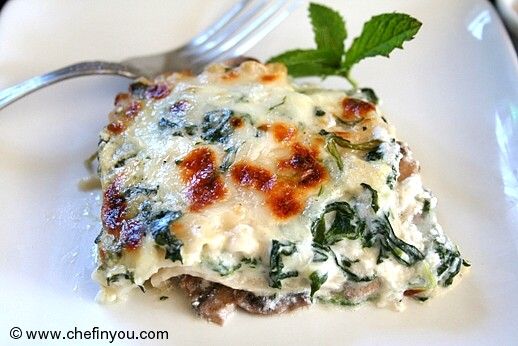
Spinach Mushroom Lasagna By DK on Jul 30, 2012
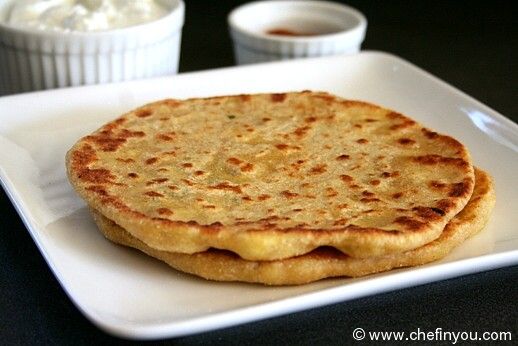
Cheese & Green Garlic Paratha By DK on Jun 1, 2012

Spinach and Cheese Lasagna Rolls By DK on Nov 24, 2014
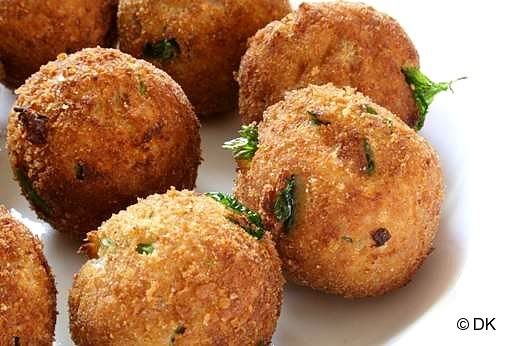
Ricotta Cheese Fritters By DK on Feb 24, 2009

Ricotta Cheesecake By DK on Feb 13, 2012
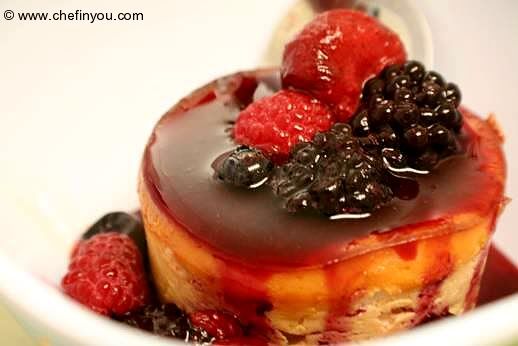
Berry Healthy Baked Ricotta Cakes By DK on Oct 14, 2007
Leave a Reply
5 Member Reviews
By Caroline on Oct 28, 2013
So glad I found your recipe--Thank you!
The only alteration I used was Stuart's suggestion: lemon juice. It does give a brighter taste than vinegar. As for the question re the use of a slotted spoon, this was perhaps suggested because some recipes call for the mixture to sit, unstirred, once the vinegar/lemon juice is stirred in, which results in larger curds. These large curds can splash! (and clog the cheesecloth as well) if not removed before pouring the milk into the cloth-lined strainer. 
By Stuart on Jan 26, 2013
I used goat's milk, 2 quarts, heated to 160-degrees then allowed it to drop to 115 added 7 drops of vegetable rennet and 1/4 cup of yogurt. It curdled well. I strained it and made plain cheese and added chives to some. Rolled it in cheese cloth and had my own home made cheve. One reason I did it was because I'm lactose intolerent and I buy the lactase drops and add them to the goats milk and wait a few days for all the milk sugar to be acted upon. Then I make my cheese.
119 Comments
By pranali on Oct 30, 2017
By Lita Watson on Jun 17, 2017
I havent tried with it yet, hence no idea Lita. Sorry about that. --DK
By Brahm on Jun 8, 2015
By Prashant on Jun 1, 2015
By meera on Feb 14, 2015
By How To Use Ricotta Cheese Recipes | We Get Healthy on Dec 6, 2014
By Pavani on Oct 19, 2014
Yes, Whole Milk Ricotta is very similar to paneer. Traditional Ricotta is not. --DK
By Stu Borken on Sep 9, 2014
By SAKINA on Sep 9, 2014
By liz on Sep 9, 2014
By Stu Borken on Sep 8, 2014
By liz on Sep 8, 2014
By Donna on Aug 20, 2014
By Stu Borken on Jun 26, 2014
By suku on Jun 26, 2014
By Miggy on Jun 26, 2014
By Stu Borken on May 26, 2014
By Heena on May 25, 2014
By Mary Kilby on May 7, 2014
By Mary Kilby on May 7, 2014
By Stu Borken on Apr 28, 2014
By emmanuel libreri on Apr 28, 2014
By Stu Borken on Apr 16, 2014
By Shari on Apr 16, 2014
By Jackie on Mar 20, 2014
By Stu Borken on Mar 8, 2014
By Lynette on Mar 8, 2014
By Restemat: melk | Erkjennelser on Feb 22, 2014
By Deborah Darling on Feb 1, 2014
By Terri on Nov 20, 2013
By Stu Borken on Nov 19, 2013
By Zinal on Nov 19, 2013
By Gary on Oct 1, 2013
By Carol on Oct 1, 2013
As mentioned in the post, this is Whole Milk Ricotta Cheese and is not the one made using left over Whey. This is why it did not work for you. Just in case, for using up whey pls refer this link How to use Whey?. I esp. tend to opt for Whole Milk Ricotta Cheese since regular ricotta makes use of Rennet and I am a vegetarian so avoid using it.--DK
By Stu Borken on Sep 30, 2013
By susan toporowski on Sep 30, 2013
By Daunz on Sep 16, 2013
By Margie on Aug 10, 2013
By Mimmogram on Aug 9, 2013
By Food-eater on Aug 3, 2013
By Maria Bane on Jul 22, 2013
By lose fat and gain muscle on Jul 16, 2013
Sure.Thank you :) --DK
By Nancy on Jul 15, 2013
By Nancy on Jul 15, 2013
By Shoba Shrinivasan on Jul 15, 2013
By Geeta on Jul 14, 2013
By Gary on Jul 10, 2013
By Eggless Roasted Strawberry Pound Cake | Lemon In Ginger on Jul 6, 2013
By Donny01 on Jul 5, 2013
By Stuart on Jun 22, 2013
By bhuvaneshwari on Jun 22, 2013
By Simi on Jun 22, 2013
I mention the yield as 3-1/2 cups in the recipe--DK
By Jake on Jun 10, 2013
By froggirloz on Jun 6, 2013
By Mike on May 20, 2013
By Alok on May 1, 2013
By Mildred on Apr 27, 2013
By Sharon lew on Apr 26, 2013
By Jade on Apr 25, 2013
By Stu Borken on Apr 21, 2013
By Meenakshi Dossa on Apr 21, 2013
By Stuart B. on Apr 17, 2013
By frank on Apr 17, 2013
By Nelly on Apr 13, 2013
By by golly, i did it! re-make of locanda verde’s ricotta | chit. chaat. chew. on Apr 3, 2013
By Stu Borken on Mar 30, 2013
By Denis on Mar 29, 2013
By Cinnarose on Mar 13, 2013
By Marina Strydom on Mar 10, 2013
By Mr.CBB’s Cheesy Ricotta Ball Soup | Canadian Budget Binder on Feb 24, 2013
By Rosebud on Feb 13, 2013
By Annie on Feb 2, 2013
You mean "whey"? If yes, then do check out this link - How to use Whey? --DK
By Stuart on Feb 2, 2013
By Betsy Arnold on Feb 2, 2013
By Annie on Feb 1, 2013
By Brad J. on Feb 1, 2013
You can use the whey in many ways. Do chk this link: How to use Whey? --DK
By Frank G. Petrello on Jan 31, 2013
By marlen on Jan 29, 2013
By Betsy Arnold on Jan 26, 2013
By marlen on Jan 24, 2013
You can just replace the heavy cream with more whole milk. No harm done except for a teeny tiny reduction in richness. In India, we make Paneer Cheese using the same method except that we don't add heavy cream. Its just milk. We also make skinny cheese by using skim milk and curdling with some yogurt. That works great too. --DK
By Suku on Jan 15, 2013
By shriya on Jan 15, 2013
By Lisa on Jan 14, 2013
By tewodros alemu on Jan 13, 2013
By Stu Borken on Jan 11, 2013
By Suku on Jan 11, 2013
There is a difference between regular ricotta and whole milk ricotta cheese. A classic Ricotta would a cheese that's made from leftover whey (from making another cheese and mostly uses rennet). In this type of whole milk, we use regular milk to make the cheese and not leftover whey which makes it same as Indian Cheese Paneer. I opt to use this for the sole reason for avoiding animal rennet in regular ricotta cheese. --DK
By Billy S. on Jan 10, 2013
By Eggless Roasted Strawberry Pound Cake « Confusion Cook on Dec 17, 2012
By Ayesha on Nov 18, 2012
Yes. Please refer my Ricotta Cheesecake Recipe--DK
By Sandy on Nov 14, 2012
By SunshinePeaches on Oct 26, 2012
By K on Oct 17, 2012
By Katelyn on Sep 14, 2012
By Emily on Aug 6, 2012
Yes :) --DK
By Simran on Aug 5, 2012
By marlen on Jul 8, 2012
By Ross on Jul 8, 2012
By surendra patel/south africa on Jun 19, 2012
Does that give a rich taste to the paneer? I mean if yes, then I can try a low fat version but add the powder to make it taste like the real thing..... --DK
By Stu Borken on May 30, 2012
By Brad on May 30, 2012
I wish you took half the time out of typing your huge (and rude) comment to actually read the post properly. Please refer the "Note" before the Ingredient section and it might throw light on the amount of "Interest" I show at what I do..--DK
By TONYK on Apr 20, 2012
By Stuart Borken on Apr 17, 2012
By barbara on Mar 16, 2012
By Smriti on Feb 16, 2012
Add in a little more of the vinegar
By Anna on Feb 14, 2012
By mahalakshmi on Feb 9, 2012
Mahalakshmi - That's fantastic! Never tried making it myself - now cant wait to thanks to your input. --DK
By Iris on Feb 7, 2012
Ricotta Cheese is not same as Cream Cheese. But there is an Italian version of Cheesecake that uses Ricotta as the base instead of cream cheese. --DK
By bhuvaneshwari on Jan 31, 2012
AWESOME! Thanks Bhuvs! Hugs for the details --DK
By bhuvaneshwari on Jan 31, 2012
I guess you can. Use the same amount
By Sony on Jan 31, 2012
Hi Sony - I use to make my flatbreads (roti), Breads, cook rice with it, use instead of vinegar in salads (since its basically acid but with protein), use it in the soaking liquid for wholegrains/beans -DK
By Archana Haresh Sanghvi on Jan 31, 2012
Yes you would have to. Pasteurizing is such a controversial topic. Many ppl believe that we are killing necc. enzymes by this practice and that our older generations were healthier when consuming it unpasteurized. But then another school of thought says that we are protecting ourselves from harm's way by doing this! :) But I think you would be better of boiling it to the given temperatures when unpasteurized. Paneer can be made with addition of cream too. When Ricotta is made this way (by using whole milk)it is exactly the same as Paneer. But traditional Ricotta is made using leftover whey from making other cheeses (that use coagulation in the form of enzymes instead of just acid). So that way traditional ricotta and paneer are not the same.
By ruby on Jan 31, 2012
I use to make my flatbreads (roti), Breads, cook rice with it, use instead of vinegar in salads (since its basically acid but with protein), use it in the soaking liquid for wholegrains/beans -DK
By Kalyani on Jan 31, 2012
By Puja on Jan 31, 2012
Heavy cream can be added even while making paneer Puja. It is just to add in some fat to the milk, esp. in the US which I think has lower fat % compared to the ones we get in India. So both are ditto same except for the salt. But as you might already know you can add salt (along with spices) to give more flavor to your paneer too. This was of making Ricotta Cheese (from milk instead of traditional whey) is same as paneer - DK
By Sharon Nesbit on Jan 30, 2012
I am not sure of that having never researched into it. Will update if I get to know something in this regard -DK
By Anjali on Jan 30, 2012
I think it is just to make sure it has curdled enough to make sure you get it all. I personally dont think it is strictly necessary. --DK
By Anu on Jan 30, 2012
By Sudha on Jan 30, 2012
Thanks for the interesting question. I was under the assumption that this was because of heavy cream added to this, but well Serious Eats gives a logical explanation (turns out you don't even need 185F). Check out the link while I update the post. :)
By Valerie on Oct 20, 2018
Pls check this for options - "How to use Whey?"--DK