South Indian Idlis by DK on Jan 26, 2009
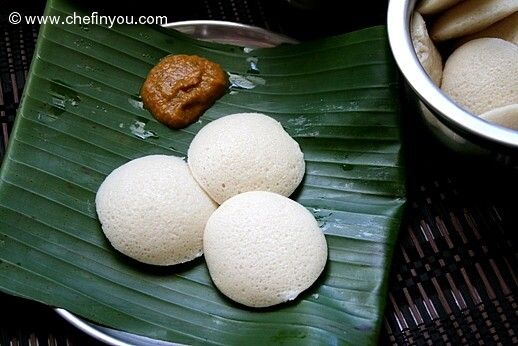
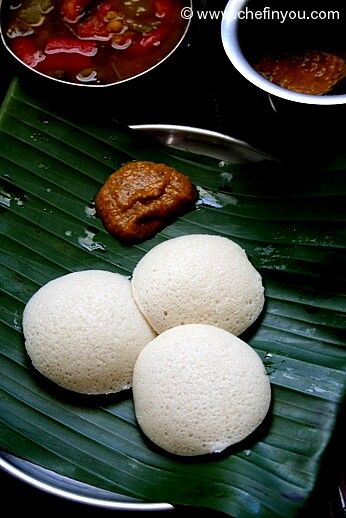
- Cook time:
- Prep time:
- Serves: 8+ people
- Yields: Makes around 32-40 idlis depending on the Idli mold
- 3 cups par boiled rice/Idli Rice/puzhungal arisi (see Tips)
- 1 cup Urad dal (whole skinned black lentils)**
- Salt to taste, see Tips
- about a fistful of cooked rice see Tips
- 1 tbsp Fenugreek seeds (optional), see Tips
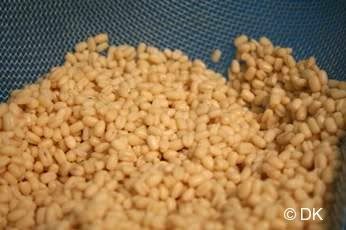
2. Cooked Rice: Instead of cooked rice, you can use Rice Flakes (Poha in Hindi or Aval in Tamil) soaked in water.
3. Fenugreek Seeds: If you live in a place with less humidity/cold climate, I would suggest using fenugreek seeds. I use 2 tbsp fenugreek seeds for 1:4 proportion of lentils: regular rice.
4.Salt: As a guideline, use 1 tsp salt for every cup of lentil rice mixture. So if using 1 cup lentils for 4 cups rice, you would need to add about 5 tsp of salt. You might need to add more or little less depending on your sodium intake.
Filed Under these categories
- 44 Avani Avittam
- 240 Breakfast
- 287 Course
- 366 Cuisine
- 228 Diwali
- 14 Dosas and Idlis
- 45 Indian Breakfast Recipes
- 180 Indian Recipes
- 94 Occasions
- 27 Street Foods
- 499 Vegan Recipes
- 103 Vinayaka Chaturthi
Ideal Accompaniments
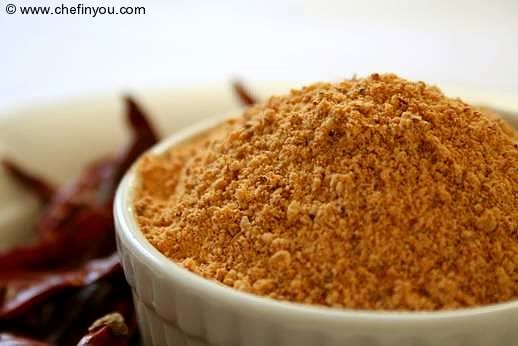
Spiced Chutney Powder / Idli powder By DK on May 18, 2009
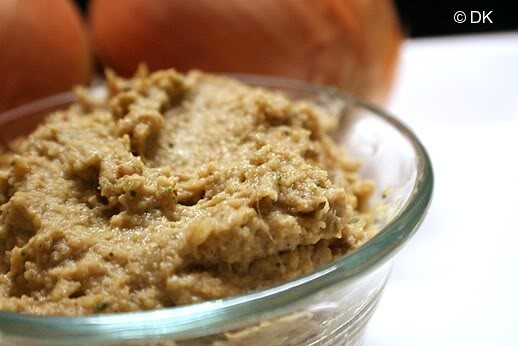
South Indian Onion Chutney By DK on Nov 6, 2008
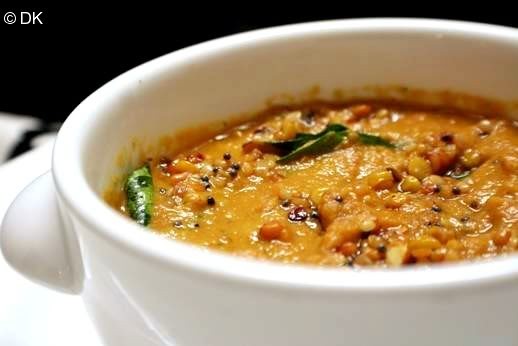
Tomato Chutney – South Indian Style By DK on Nov 4, 2008
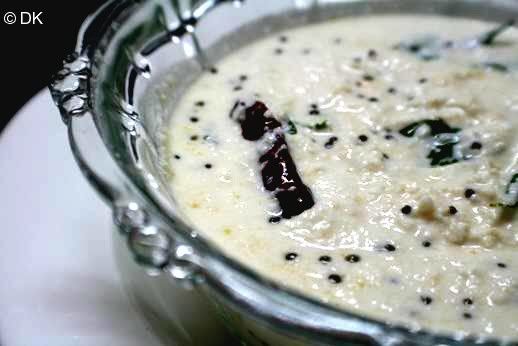
Coconut chutney (Kobbari Pacchadi) By DK on Nov 2, 2008
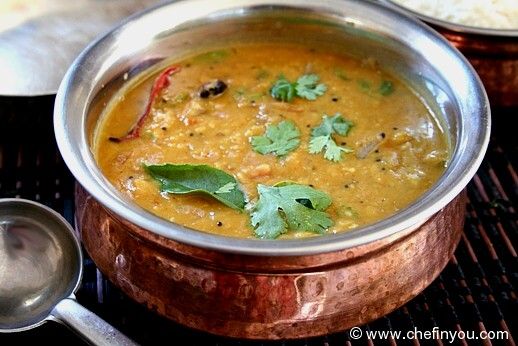
South Indian Sambar By DK on Aug 8, 2012
Related FAQs
Recipe Reference
mom and my kitchen notes
Related Posts

Thayir Idli (Spiced Yogurt with Leftover Idly) By DK on Sep 29, 2016

Kushboo Idli / Mallige / Malligai Poo idli By DK on Apr 16, 2020

Sabudana (Sago) Idli By DK on Mar 5, 2012

Slow Cooker Dal Makhani By DK on Nov 17, 2016
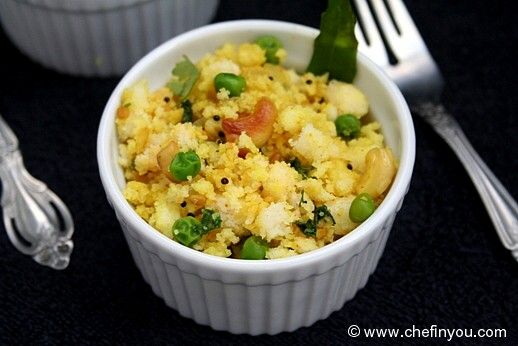
Idli Upma By DK on Jan 23, 2012

Coconut Chutney (for Idli, Dosa) By DK on Feb 27, 2014
Leave a Reply
8 Member Reviews

By Rajkumar on Aug 17, 2012
1 cup urad daal soaked for 4 hours....4 cup Idli rawa soaked and drained. then grind dal and transfer to the soaked idli rawa. Now let it fermant over night. Next day it will be fermanted . you can make Idli in a idli maker or in a big container to make big idly..keep it in pressure cooker without Whisle for 10 minutes. Let it cool for 2 minutes...Idlis big in a container....or small in the idly maker are ready
By Deepika on May 8, 2012
I make the batter and put it in the airing cupboard(boiler room) it ferments as in India. sometimes it just needs few hours to ferment
129 Comments
By Piyush on May 22, 2020
Thank you so much :) --DK
By Herika Kummel on May 6, 2018
Oh yes, definitely! Just grind it in intervals since the blender will get too hot. We don't want the batter/machine to get too heated up. --DK
By vinod on Oct 6, 2017
Yes, I will try to soon :) Thank you so much for your feedback. Means a lot --DK
By harshit on Mar 21, 2017
Hey Harshit, pls refer my right hand sidebar for FAQ's. The first link is about tips and tricks to make spongy soft idlis. Hope that helps. --DK
By Neelima Gupta on Dec 14, 2016
Hi Neelima, if you check the right hand column in the post, there is a section "Related FAQ's". It addresses these concerns there. Pls refer and hope they help. --DK
By Padmini on Aug 17, 2016
By 10 Vegan Breakfast Ideas | Great For Your Life on Jun 22, 2015
By alagaratnam on Nov 25, 2014
By Nehal on Oct 3, 2014
By asha on Aug 26, 2014
By VP on Aug 26, 2014
By Deepa on Jul 10, 2014
By Mother's Day Recipes by the Part Time Cook on May 11, 2014
By Madhu on Apr 7, 2014
By pooja on Jan 21, 2014
By amita on Dec 18, 2013
By Surajit Banerjee on Dec 6, 2013
I am glad to hear it Surajit :) --DK
By Chefs on Nov 22, 2013
By madhu on Oct 8, 2013
By madhu on Oct 8, 2013
By Siri on Oct 4, 2013
By govil on Aug 5, 2013
By Lakshmi on May 22, 2013
By Sudha on Apr 30, 2013
By Sudha on Apr 2, 2013
By Sayeda G. Khaleque on Mar 9, 2013
By Pepper on Feb 14, 2013
By Amanullah on Feb 4, 2013
By Sharmila on Jan 10, 2013
By jaykris on Jan 10, 2013
By Nasifa on Jan 10, 2013
By Sharmila on Jan 9, 2013
By Nasifa on Jan 8, 2013
By Donna on Jan 6, 2013
By saranya on Dec 29, 2012
By The pressure’s on! | A day in my gluten-free life… on Dec 17, 2012
By TREVO MOTHA on Dec 2, 2012
By Lynette on Nov 27, 2012
By annu... on Nov 26, 2012
By arvinda on Nov 8, 2012
It seems your idlis are uncooked. It could be cos your batter did not ferment. Proper fermentation is essential. Also make sure to place your idlis after letting the water in the pressure cooker comes to a boil.--DK
By raghuram on Oct 28, 2012
By Viji on Oct 26, 2012
Ohhh! That sounds like an excellent idea...will try it out next time. Thanks for the tip Viji --DK
By South Indian Idlis (Steamed Rice Cakes) « 60spunk on Sep 28, 2012
By Bharathi on Sep 23, 2012
By HoneyOc's Photographic Gastronomy! - Page 118 on Sep 21, 2012
By srimantastha on Sep 15, 2012
By monica on Sep 3, 2012
By jessica on Jun 20, 2012
By Cheryl on Jun 2, 2012
By sathya on May 23, 2012
By Kajal on May 19, 2012
By mohan on May 17, 2012
By Nisha on May 7, 2012
By sandeep on May 5, 2012
By Chetan Pandya on May 4, 2012
By Chetan Pandya on May 2, 2012
By Bhawna on May 1, 2012
By Neelam on May 1, 2012
By Celine on Apr 28, 2012
By nid on Apr 24, 2012
Its available in Indian stores--DK
By gail on Apr 23, 2012
By natasha on Apr 19, 2012
By Divya on Mar 30, 2012
My mom got it for me before I came to US in Chennai. So no idea where to find this in the US --DK
By Sathya on Mar 24, 2012
By neena mahen on Mar 13, 2012
By Bombay Choupati and my Dollard des Ormeaux Dosa Fix | Multiculturiosity on Feb 24, 2012
By rookshana on Feb 16, 2012
There are multiple reasons - Grinding in a wet grinder adds more air into the batter thereby helping it to make it soft. Proper fermentation is extremely crucial for soft idlis. And last but not the least is the time you cook the idlis. Ideally you would need to steam them for about 10-12 minutes in a regular idli steamer. Overcooking also makes them hard. --DK
By Manki on Feb 10, 2012
Its regular rice not parboiled/idli rice. I use raw rice not the basmati variety, but cooked basmati should work too --DK
By Thamarai on Feb 1, 2012
The recipe is same Thamarai. What you would additionally need is loads of patience. Make sure while grinding the Urad to stop at regular intervals to avoid over heating your mixie. Otherwise, the same grinding process :)
By vidya on Jan 26, 2012
By Lawanya on Jan 17, 2012
By Vani on Jan 13, 2012
By Priya on Jan 12, 2012
By Nishana on Dec 20, 2011
By divya on Dec 18, 2011
By divya on Dec 18, 2011
By Sonia on Dec 16, 2011
By Keerthana on Dec 5, 2011
By Anna on Nov 21, 2011
By Anna on Nov 19, 2011
Yes, better the fermentation better the sponginess and softness
By deepsrecipes on Oct 31, 2011
By Sri on Oct 25, 2011
By oma on Oct 19, 2011
By FARHA on Sep 15, 2011
By rajashree on Aug 28, 2011
By padma on Aug 24, 2011
Its "par boiled" rice. Also known as Idli rice or in Tamil as "puzhungal Arisi". Its available by these names in any Indian store.
By Vijayan on Aug 24, 2011
It depends on where you live
By Sana on Aug 23, 2011
A slightly different process is involved when making with Idli Rava. Will do a post on it the next time I make idlis
By Venkat on Aug 18, 2011
Thank you :)
By bharath on Aug 11, 2011
Yes you can. You need to have a idli stand that fits into the cooker and steam the regular way. I am assuming your cooker has a steam option on it. I posed this question for you in my Facebook Page (chefinyou). The members have given very useful and elaborate answers. Here is the link to it for details.https://www.facebook.com/ChefInYou/posts/10150759209450297. Hope u find that useful
By sujatha on Jun 8, 2011
By Sweet Artichoke on Mar 26, 2011
By Niv Mani on Mar 25, 2011
By tasneem on Mar 14, 2011
By ShaShe on Mar 3, 2011
You can add it with rice or when you are grinding the lentils. I usually add it when I am griding the lentils. Thanks for the pointing this out - I have updated the recipe with the details.
By Rani on Feb 23, 2011
By sonal on Feb 1, 2011
Mine is from India called Sowbagya - Counter top grinders..
By swathi on Aug 5, 2010
Have you tried with this recipe? I am surprised at your result of raw taste. Try it and lemme know. As for doing this with Idli Rava yes it can be done..will post a recipe soon
By Neha on Jul 28, 2010
By Neha on Jul 28, 2010
By Deepa on May 19, 2010
By Rashi Aggarwal on Mar 6, 2010
The main reason for softness, I think, is fermentation.Is your batter fermenting well? The airiness where the surface of the batter looks like its filled with little bubbles is caused the yeast and these helps to achieve the softness --DK
By Kalpakam on Feb 24, 2010
By cake loverq on Feb 16, 2010
By manisha sheth on Dec 10, 2009
Hi Manisha, I am really not sure about this. If the Idli by itself was ravedar, then it shouldnt be a problem. Usually its advisable to let the idlis sit for few minutes when done. When you remove them imm. they might feel little bit sticky. Did u grease the idli plate well? That should help to avoid the stickiness too. If the idli by itself was done and cooked well, then the only thing I can think of is to let the idlis sit in the pan for 2-3 minutes after removing them from the steamer. See if this helps -- DK
By sharda on Nov 4, 2009
Hi Sharda, thanks for your wonderful comments :). Well I think the lack of sourness is dependent on the weather. For example, here in the US where I stay, inspite of perfect fermentation, my idli batter turns only sour say after 1-2 weeks after i make it. Whereas back home in India, it always is sour overnight. I think it has something to do with humidity in the air. Though I haven't tried it personally, I feel that placing the batter outside the fridge for 4-5 hours or overnight might work to get that distinct sour taste.I will update you in case I get more info on this.
By DK on Feb 10, 2009
Let me know if this works..otherwise I can always enquire more for you and let you know :)
By Vidya on Feb 10, 2009
I came across your website when searching for making Idli using Parboiled rice. I have tried making Idli with the American band parboiled rice but it didnt come out well. Can you let me know which rice you used ? Do you add any other rice (like long grain,sona masoori)
Thanks
Vidya
By Srivalli on Feb 5, 2009
By Curry Leaf on Jan 29, 2009
The idlis looks fluffy and slurp
Did I tell you that I am not an Idly person? ;)
By DK on Jan 28, 2009
Thank you all for your wonderful tips and tricks. I am sure to use some of these next time :) although Cham and Mashu's MIL are welcome to do it for me anytime! I would I not do, to sit and relax and have someone lovingly make fluffy idlis! aaaah! bliss! hehehehe!
@Pragyan : Kai vaagu can be used to denote couple of meanings. Some meanit to say - the charm of hands which make things happen while in this context it is also used to mean the heat of the hand. Better the heat, better to put your hand in the batter to give it a good stir with salt which in turns helps to ferment the batter well!
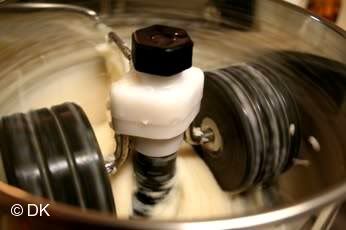
@Asha - mine is not premier Asha - I used it to show the grinder. Mine is Sowbagya table top grinder. I bought it along with me when I came from India about 3 yrs ago - it has served me well.
By Mishmash ! on Jan 28, 2009
By karuna on Jan 27, 2009
By Sukanya Ramkumar on Jan 27, 2009
By Gita's Kitchen on Jan 27, 2009
By Gita's Kitchen on Jan 27, 2009
By Trupti on Jan 27, 2009
I'm going to try out your Onion chutney...
trupti
the spice who loved me
By Asha on Jan 27, 2009
I always wanted to buy that stone electric grinder but couldn't decide which one. Looking at your Premier, I am almost there. Would you recommend this to me, works well?
By Madhu on Jan 26, 2009
I had hard time getting soft idlies using blender, once i switched to indian 'preeti mixie' now its so easy, I get soft idles wihout a fail.
By Pragyan on Jan 26, 2009
By Cham on Jan 26, 2009
By bee on Jan 26, 2009
By Rathna on Jan 26, 2009
I mix salt in my batter before fermenting and leave it the oven overnight. It ferments really well. Another tip my mom suggested is to put a whole red chilli on top of the batter, this again helps in fermenting. Try it next time. Hope it helps.
Your idlis looks soft and fluffy. Yumm ! Hey, BTW I've started an event, if you are interested please participate.
By Maya on Jan 26, 2009
By A. I. on Jan 26, 2009
Luckily Pune has better, moderate-er weather.
One trick if you want fluffly idlis and the batter hasn't really risen is to add 'eno' fruit salt to the batter. It really helps and isn't harmful to the tummy.
Cheers!
By DK on Jan 26, 2009
By DK on Jan 26, 2009
By Indhu on Jan 26, 2009
makes me hungry!
By Madhuram on Jan 26, 2009
Another tip she gave me for fluffy good idlis, to grind the urad daal first. Also switch on the grinder, let it run, add around 1/2 cup of water first and then add the urad daal. This really works, the daal grinds very smoothly and also the idlis come out very soft and fluffy.